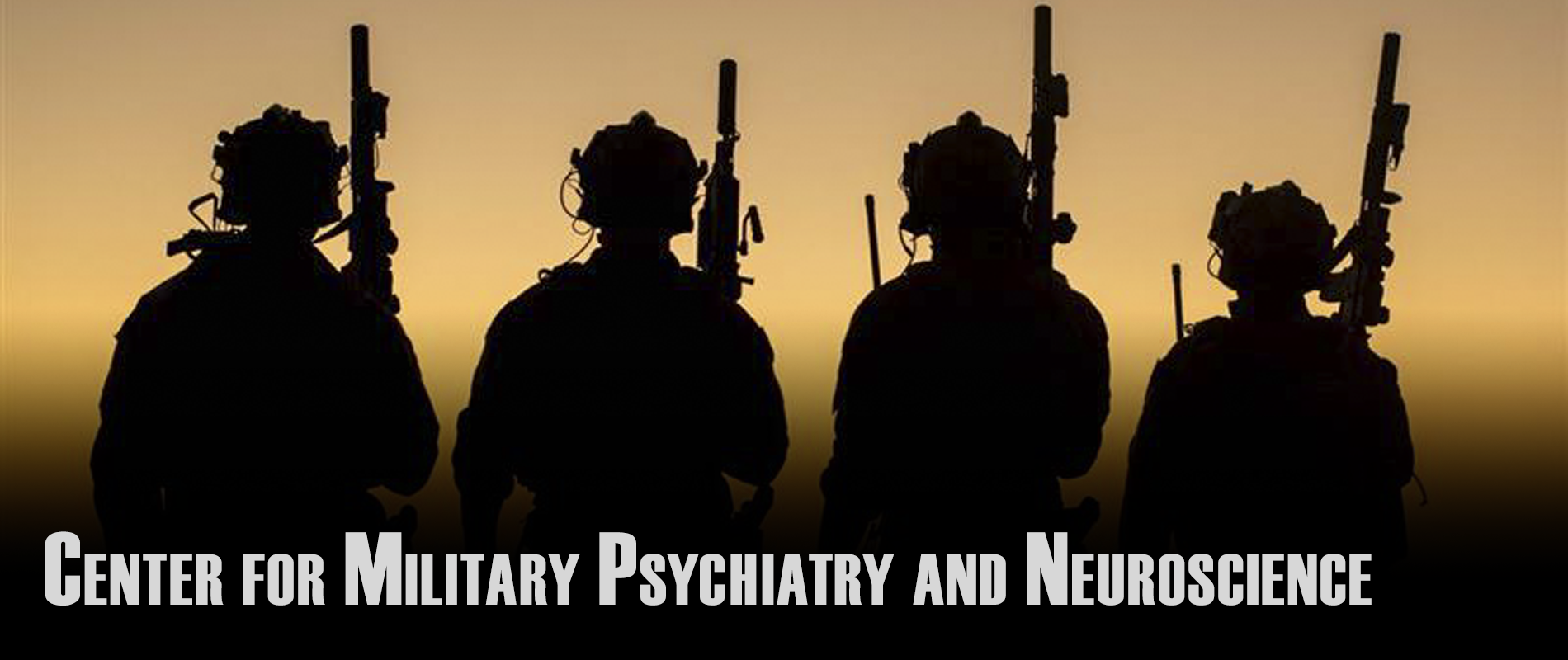
Throughout history, military leaders have understood that Service Members may falter under the mental stress of combat. During World War 2, the cost of combat stress was made clear with more than one million Service Members hospitalized for psychiatric reasons. Military psychiatry was born out of this heightened awareness of brain health threats.  

Standing at the forefront of safeguarding and enhancing Soldier health, WRAIR created the Division of Neuropsychiatry and Neurophysiology in 1950. In the ensuing decades, that effort grew to become today’s Center for Military Psychiatry and Neuroscience (CMPN).

CMPN is a translational and expeditionary effort to identify and eliminate brain health threats to Soldiers. CMPN investigates and manipulates the relationship between sleep and performance, performs behavioral health assessments to inform unit Commanders on Soldier behavioral health needs, and develops and implements resilience trainings. On a parallel track are efforts to identify and treat traumatic brain injury as well as understand the impact of repeated blast exposure.

With more than 3,000 publications, numerous patents, and many products, CMPN is an internationally recognized leader in brain and behavioral health, developing evidence-based strategies to diagnose, prevent, and mitigate the psychological demands of war, continuous operations, and brain trauma associated with military service.


Expand List item 857Collapse List item 857  Brain Trauma

 
Traumatic brain injury (TBI) is a major threat to the readiness of our Soldiers. U.S. Service Members face a higher risk of TBI, both in scope and frequency, than civilians. The Brain Trauma Branch (BTB) has long sought an FDA approved neuroprotective agent for TBI along with TBI biomarker discovery, research efforts that continue to this day.

See more ►
Expand List item 858Collapse List item 858  Integrated Systems Biology

 
The Integrated Systems Biology branch aims to apply robust and precise molecular-based solutions for military-relevant health performance, resilience and readiness. 

See more ►
 
Expand List item 910Collapse List item 910  Blast Induced Neurotrauma


Soldiers in combat settings are at high risk of exposure to blast-induced head injuries, both during operational training exercises and in the field. Blast Induced Neurotrauma (BINT) researchers investigate the mechanism of closed-head injury and the cumulative effects of repeated blast exposure and its relationship to neurodegenerative phenomena.

See more ►

Expand List item 911Collapse List item 911  Psychological Health and Resilience


WRAIR's Psychological Health and Resilience (PHR) branch develops evidence-based knowledge products, interventions, and materiel solutions to enhance Soldier performance and optimize the readiness and resilience of Soldiers across the deployment cycle.

See more ►